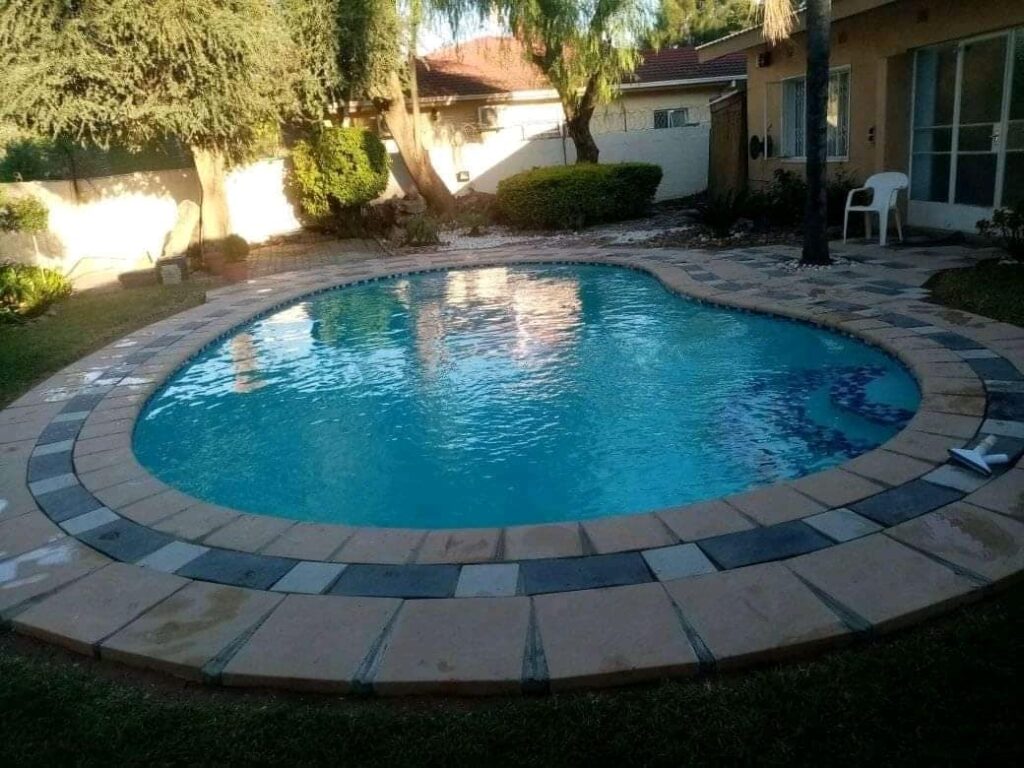
Professional Swimming Pool Builders in Nairobi
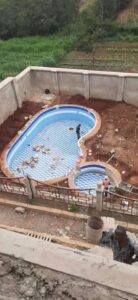
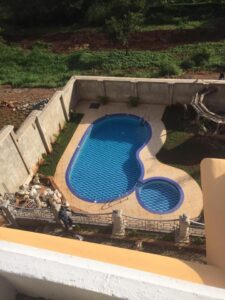
Professional Swimming Pool Builders In Nairobi: The Complete Engineering and Construction Guide
What is a swimming pool? And how do we get to the level of having a completely developed swimming pool? Well, a swimming pool is a massive, water-retaining wall sunk into dynamic soil. When a pool structure fails, it is rarely due to surface leaks or tile failure, but due to unaddressed hydrostatic pressure or improper soil compaction. When building a commercial or high-end residential swimming pool, it should be treated as a major structural engineering project. Hiring experienced, professional swimming pool builders ensures your installation meets strict municipal codes, avoids structural cracking, and delivers long-term operational performance.
Let’s dive straight into the foundational phase that dictates whether a pool lasts 50 years or fails in five:
Professional Swimming Pool Builders in Nairobi Phase 1: Subsurface Geotechnical Engineering and Site Analysis
Before any excavation activity, structural feasibility must be established through soil testing and environmental load modelling.
Soil Type and Stability:
The first step is to analyse the type of soil in your backyard to determine how the hole must be dug and prepared. If your backyard contains mostly clay soil, builders dig deeper than needed and replace unstable clay with crushed stone to create a solid, stable base. This is due to the expansion and shrinking when wet or dry, which can crack a pool shell.
Groundwater and Floating Risk:
Normally, high groundwater exerts massive upward pressure under an empty or partially drained pool, which ends up pushing the entire concrete structure right out of the ground. To avoid this, engineers install gravel layers, drainage valves, and sump lines beneath the floor to keep water pressure from building up.
Ground Prep and Packing:
When it comes to this step, engineers have to ensure the pool floor is tightly packed down using heavy compaction equipment. This is to ensure that the ground settles evenly; if not, the weight of the water will snap the concrete shell in half.
Professional Swimming Pool Builders in Nairobi
Phase 2: Building the Concrete Shell
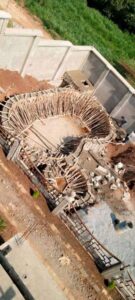
Once the ground is ready, the structural frame of the pool goes in. This is a crucial step; it ensures the pool gets its actual strength to hold hundreds of thousands of pounds of water and dirt.
Steel Reinforcement (Rebar Frame):
A thick steel rebar is tied into a tight cage grid across the entire floor and walls to act as a skeleton. The steel grid should not be of thin metal or spaced too far apart, or else the pool will flex and crack under water pressure.
Spraying the Shell (Shotcrete vs. Gunite):
At high speed and using a high-pressure hose, heavy-duty concrete is blasted over the steel cage at high speed to pack the concrete so tightly that no air pockets or hollow gaps are left behind, creating a single solid piece of rock.
The 28-Day Curing Process:
The concrete is left to dry up for nearly a month. The raw shell must be sprayed with water daily and left to cure naturally
Professional Swimming Pool Builders in Nairobi
Phase 3: Plumbing and Circulation Architecture
Without a professional plumbing design, the water will stay dirty, energy bills will spike, and the pump will burn out early.
Pipe Sizing and Water Velocity:
Water movement is very important to ensure your pool is a living system. Engineers have to ensure that the pipes used are not too small to starve the pump or slow down water movement. A smooth flow of water is necessary to prevent excessive friction or straining the motor.
Turnover Rates:
The pumping system must be sufficient to ensure that the pool circulates water through the filter every 6 hours for home pools, or every 2 to 4 hours for commercial installations.
Professional Swimming Pool Builders in Nairobi
Phase 4: Waterproofing, Finishes, and First Fill
The concrete shell holds the weight, but it still needs a waterproof layer and proper chemical setup to protect the materials long-term.
Waterproofing Sealant:
A flexible waterproof coating is applied directly over the concrete before tile or plaster goes on. This stops water from slowly seeping into the concrete and rusting the steel rebar inside.
Interior Plaster or Aggregate:
The final visible layer (like smooth plaster, quartz, or pebble) seals the surface completely and creates the smooth texture underfoot.
Balancing the Water on Day One:
Fresh pool finishes are delicate. As soon as the pool is filled, water chemistry (pH and alkalinity) must be monitored daily for the first month to prevent the water from eating away at the new plaster.
We are
Professional Swimming Pool Builders in Nairobi